Teacher Reflection: Building Bridges to Careers- Connecting Students, Schools, and Our Community
Written By: Jackie Perry, 9-12 Science Teacher at Collins Career Technical Center in Lawrence County
Jackie Perry is a participant in BB2C’s and the Career Pathway Support Network (CPSN) Community & Career Connected Learning Resources Course, which brings Southeast Ohio educators and intermediaries together over the course of one year to strengthen how students explore careers and connect learning to the real world. Through regional collaboration, in-person and virtual sessions, and practical classroom strategies aligned to the Ohio Career Connections Framework, participants will gain tools to expand career awareness, exploration, and preparation for students. Educators and intermediaries who complete the course receive a $2,000 stipend, with optional graduate credit available through the University of Rio Grande.
To reflect on her experience working with BB2C, Perry wrote a blog post highlighting the many ways she has implemented Community and Career Connected Learning in her classroom.
As an educator at Collins Career Technical Center, I know that preparing students for life after high school involves much more than teaching them the skills they need to graduate. We want our students to be successful, confident, and prepared to enter the workforce, continue their education, or pursue other career opportunities. Being part of the Career Pathway Support Network (CPSN) cohort through Building Bridges to Careers (BB2C) has helped me look at career readiness in a new way and recognize the importance of building strong connections between our school, local businesses, and our community.
The BB2C framework focuses on bridging the gap between education and employment by creating meaningful relationships and real-world learning opportunities for students. Its eight-point approach includes building relationships, bridging sectors, responding to community needs, offering hands-on learning, encouraging an entrepreneurial mindset, using research and evidence-based practices, providing comprehensive support, and focusing on growth and development. These ideas reinforce the importance of helping students explore, prepare, and participate in career-related activities that connect what they learn at school to their future goals. This aligns with the Collins Career Technical Center framework of enlisted, enrolled, employed.
Making Career Connections Meaningful
One of the biggest things I have gained from the CPSN cohort is a better understanding of how important community partnerships are to student success. Sometimes, we become so focused on our daily responsibilities and the academic or technical skills students need that we forget how valuable it is for students to hear directly from people who are working in the fields they may want to pursue.
Students need opportunities to explore different careers, ask questions, learn about employer expectations, and understand what it takes to become successful employees. These experiences can help students see possibilities they may not have considered before. They also help students understand that communication, teamwork, dependability, problem-solving, and a positive attitude are important in nearly every workplace.
The CPSN cohort has encouraged me to think beyond traditional classroom instruction and consider how we can bring more real-world experiences into our students' education. It has also shown me that building these connections does not have to be complicated. Sometimes, a conversation with a local employer or an opportunity to learn about a business can make a lasting impression on a student.
Service Wire: A Local Partnership Making a Difference
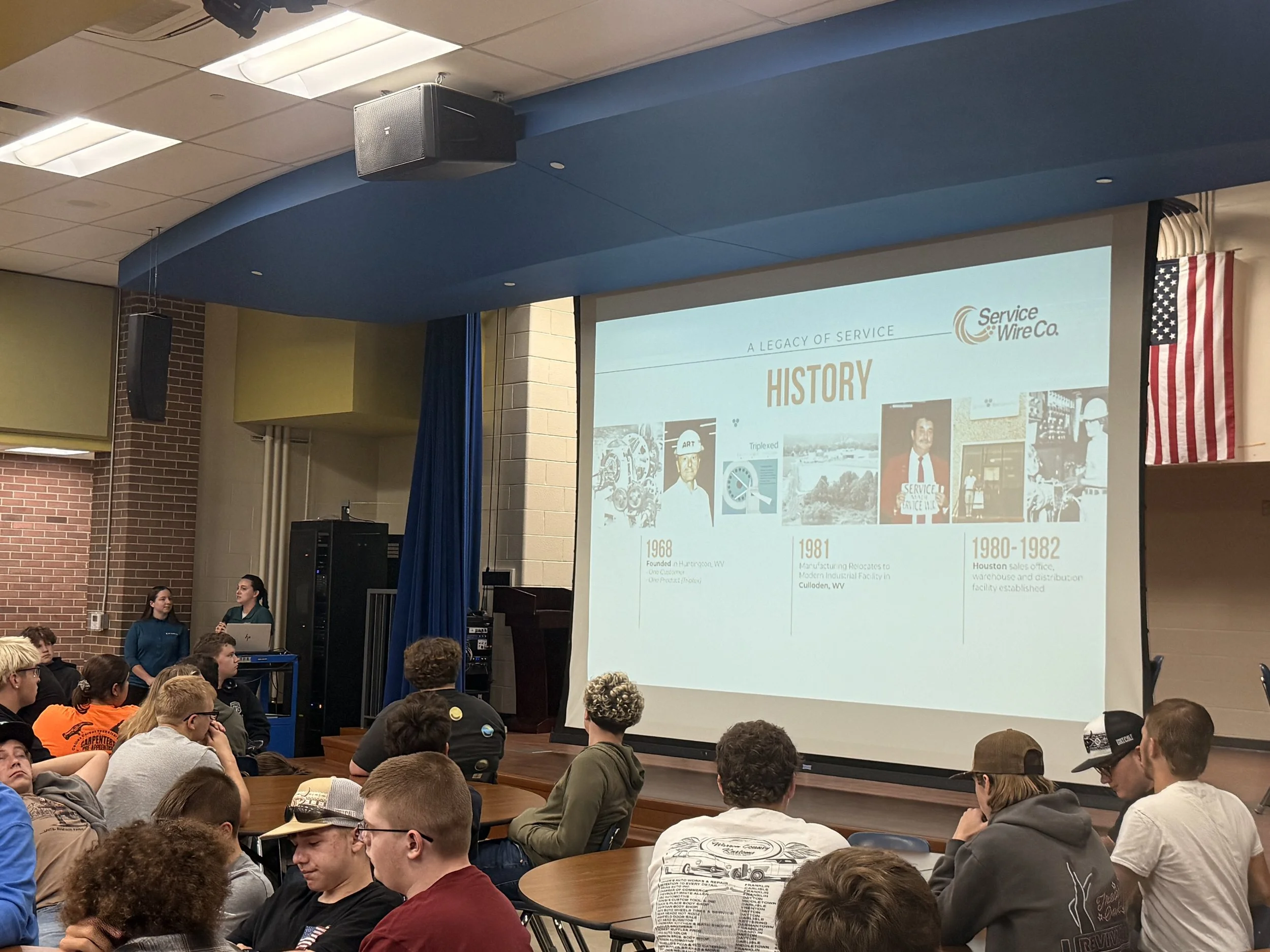
Service Wire visits the Collins Career Technical Center to recruit students and provide sponsorships for the technical Center and it’s students.
A great example of this approach is our partnership with Service Wire. Having Service Wire come to Collins Career Technical Center to talk with students provides a valuable connection between the classroom and the workplace. Students have the opportunity to learn directly from an employer and gain a better understanding of local career opportunities and the expectations that come with entering the workforce.
These interactions help students explore careers by introducing them to employers and industries in their own community. They also help students prepare for employment by exposing them to the importance of workplace expectations, responsibility, and professional behavior. Most importantly, they demonstrate that businesses are not just places where students might eventually work; they can also be active partners in helping students prepare for their futures.
Service Wire's involvement also demonstrates that a strong business partnership can support students in more than one way. In addition to coming to our school to speak with students, Service Wire supports the Drug Free Program at Collins Career Technical Center.
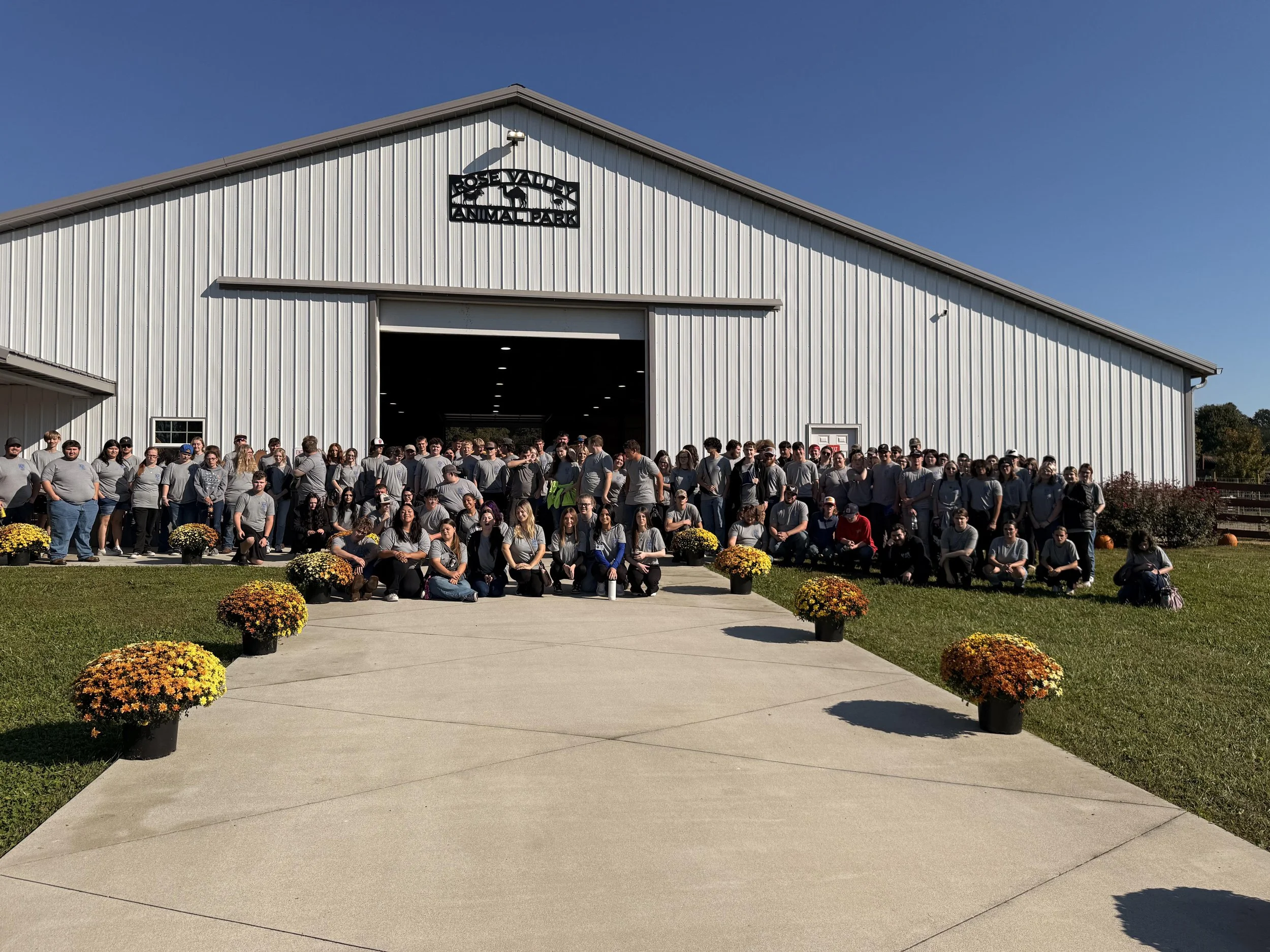
Student members of the Drug-Free Club attend a Rose Valley Animal Park field trip courtesy of Service Wire's $2500 donation to the program.
This support is especially meaningful because career readiness involves more than technical knowledge. Students also need to develop healthy habits, make responsible decisions, and understand how their choices can affect their education, employment, and long-term success. Supporting a drug-free environment reinforces the importance of personal responsibility and helps promote a positive school culture where students can focus on reaching their goals.
I believe partnerships like this are an important part of the BB2C framework because they connect businesses with the school in ways that benefit students both academically and personally. Service Wire's involvement shows how local employers can help strengthen the connection between education, workforce preparation, and student well-being.
Service Wire: Showing Students the Possibilities Close to Home
Having Service Wire come to Collins Career Technical Center to speak with students gives them a firsthand look at local employment opportunities and helps them understand what a career in manufacturing can offer. One of the most important things students can learn from this partnership is that they do not have to leave our area to find a good-paying job with opportunities for growth.
Service Wire offers a starting base pay of $18.50 per hour, with an additional $1.20 per hour for evening and night shifts. What I find especially valuable for students to understand is that Service Wire provides full training for its employees. As employees learn to operate each additional machine, they can earn another $1.00 per hour in pay. This gives students a clear example of how learning new skills, being willing to grow, and taking on additional responsibilities can lead to higher earnings over time.
For students in our area, this is an important message. Many are trying to figure out what life after high school will look like and whether they can find a career that allows them to support themselves and their families. Hearing about a local employer that offers competitive pay, training, and opportunities to increase earnings can help students see a future for themselves close to home. It also reinforces the idea that they do not have to know everything on their first day. Employers can provide training, and employees can continue to learn and advance throughout their careers.
Service Wire's involvement goes beyond workforce preparation. The company also supports the Drug Free Program at Collins Career Technical Center, demonstrating a commitment to our students' overall well-being. This partnership reinforces the importance of making responsible choices and developing habits that support long-term personal and professional success.
To me, this is what the BB2C framework is all about: connecting students with real opportunities, helping them understand what local employers offer, and showing them how the skills they develop today can lead to a rewarding future. By bringing businesses like Service Wire into our school, we help students explore career possibilities, prepare for employment, and recognize that good opportunities are available right here in our community.
How the CPSN Cohort Has Impacted My Role
Participating in the CPSN cohort has encouraged me to be more intentional about the ways I help students connect their education to their future careers. I have gained a greater appreciation for the resources available through community partnerships and the importance of working together to create opportunities for students.
The experience has also reminded me that career exploration should not happen only when students are nearing graduation. Students benefit from learning about careers early, discovering their interests and strengths, and gradually building the knowledge and skills they will need after high school. As educators, we have an opportunity to help them make those connections throughout their educational journey.
Another important takeaway has been the value of collaboration. Schools cannot do this work alone, and businesses cannot always reach students without support from educators. By working together, we can create opportunities that are relevant to local workforce needs while helping students see how their education connects to real opportunities in their communities. This is one of the central ideas behind BB2C's community and career-connected learning approach.
The CPSN cohort has also given me the opportunity to learn from other educators and professionals who are working toward similar goals. Sharing ideas and hearing about different approaches has helped me think more creatively about ways to strengthen career pathways and make career-related activities more meaningful for our students.
Looking Ahead: Building on What We Have Learned
Moving forward, I want to continue strengthening partnerships with local employers and finding ways to bring career connections into the student experience at Collins Career Technical Center. Whether that involves inviting additional career speakers, creating opportunities for students to interact with local businesses, or helping students better understand workplace expectations, every connection can make a difference.
I also want to continue looking at career readiness as a shared responsibility. Students need opportunities to explore different career options, prepare by developing the necessary skills and habits, and participate in meaningful experiences that allow them to connect their learning to the real world.
Our partnership with Service Wire is a strong example of what can happen when schools and businesses work together. Their willingness to speak with students and support our Drug Free Program demonstrates a commitment to helping young people succeed both in school and beyond graduation.
Overall, my involvement in the CPSN cohort has reinforced the importance of building bridges between education, business, and community. I have gained new perspectives, a stronger appreciation for collaboration, and a renewed commitment to helping students recognize the opportunities available to them. By continuing to build these relationships, we can help our students become better prepared for their futures while also strengthening the workforce and communities we serve.
At the end of the day, our goal is not simply to help students graduate. It is to help them discover their potential, make informed decisions about their futures, and feel prepared to take the next step. The BB2C framework reminds me that when schools, businesses, and communities work together, we can make those opportunities more meaningful and accessible for our students.
To learn more about BB2C’s CPSN program, visit www.bb2careers.org/upcoming-events/community-career-connected-learning-resource-course